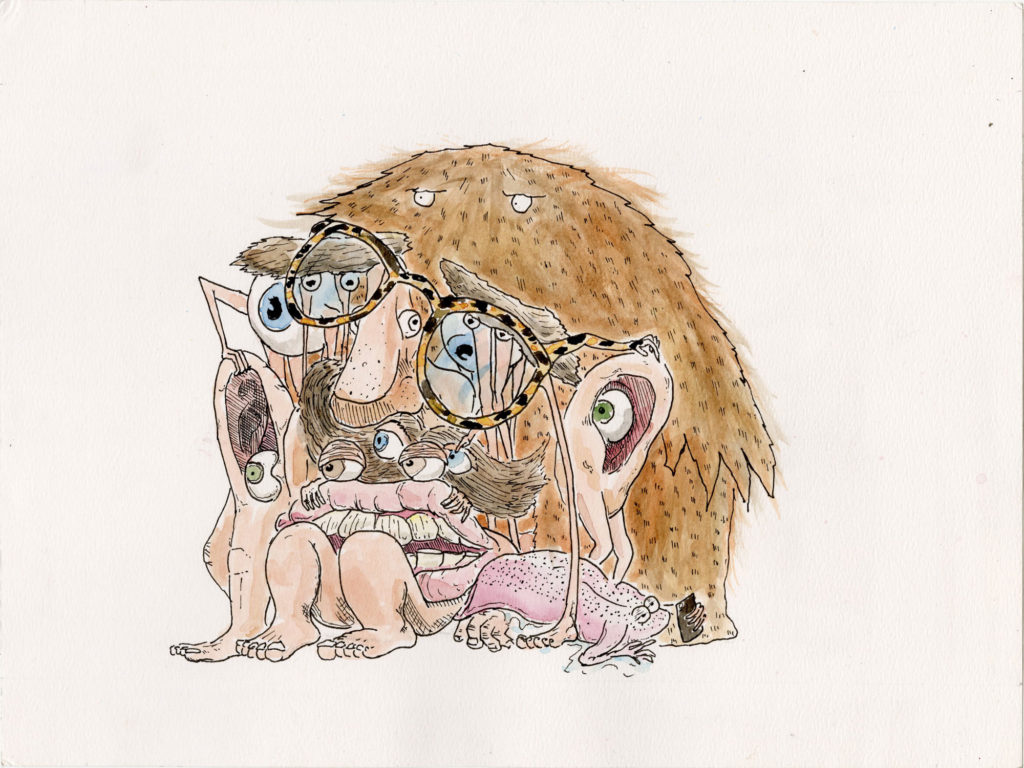
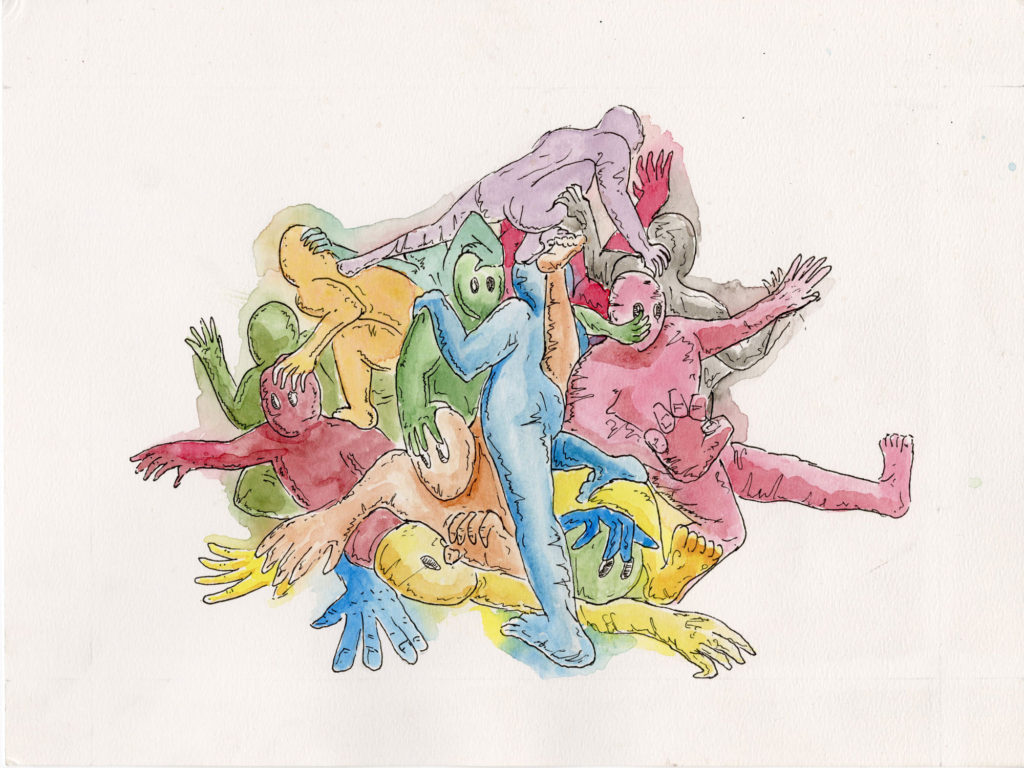
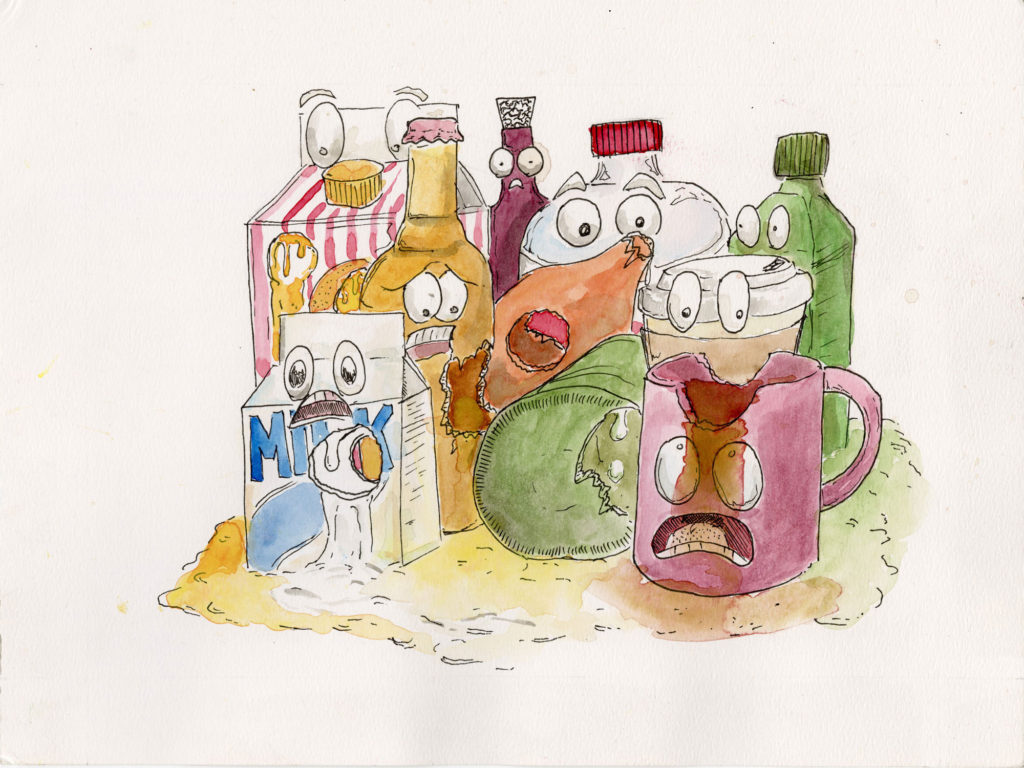
Cluster was a collection of three illustrations that were intended to convey the effect of a cluster or bunch of forms in close proximity while also living in a three-dimensional space. The forms were to also be humanized or given some attributes that made them animate characters. The compositions are a face with each feature being a character, a group of broken vessels with their fluids pouring out, and a multicolored pile of figures struggling with each other to escape the scene while simultaneously holding each other back. The compositions were done first as light sketches with graphite, then traced with a fine-tip marker, and lastly given color with watercolor.
T-Shirt
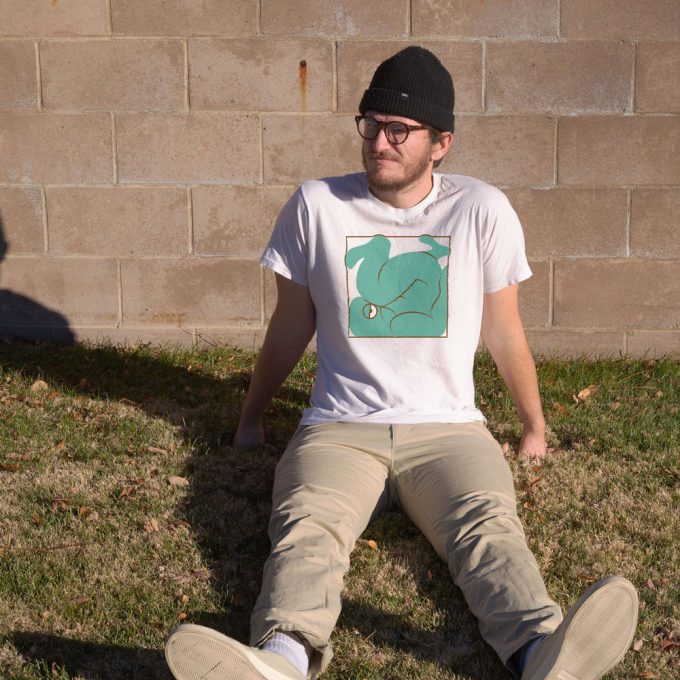
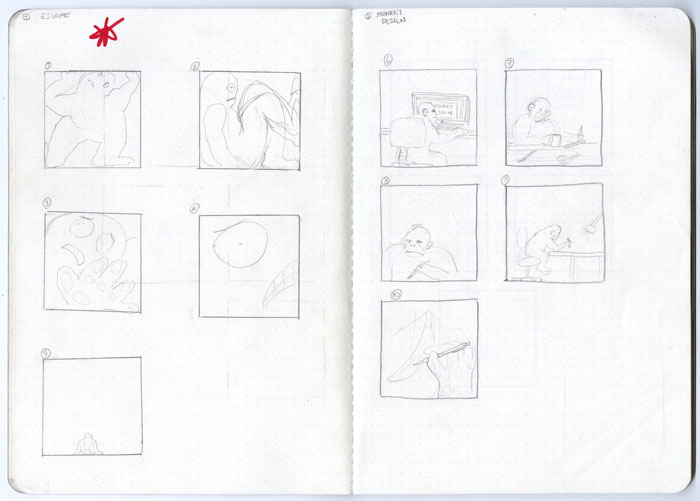
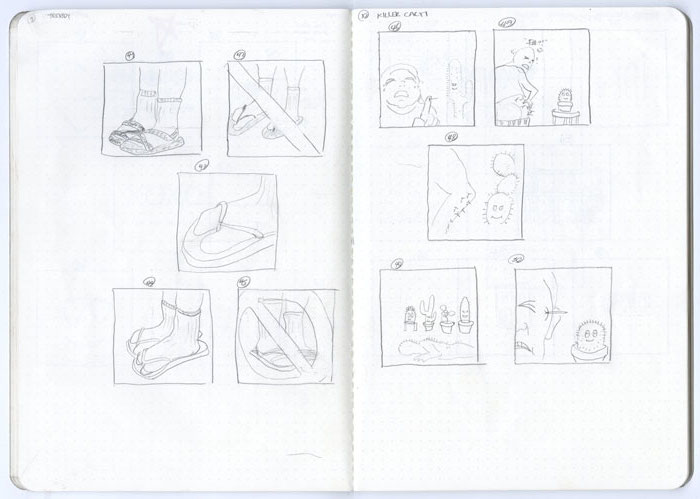
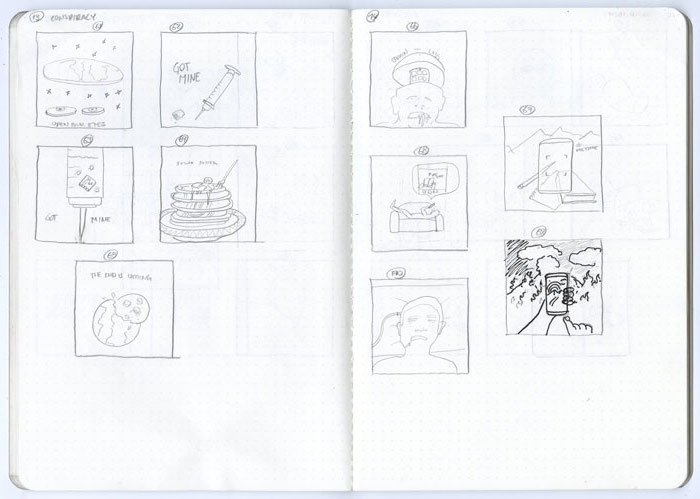
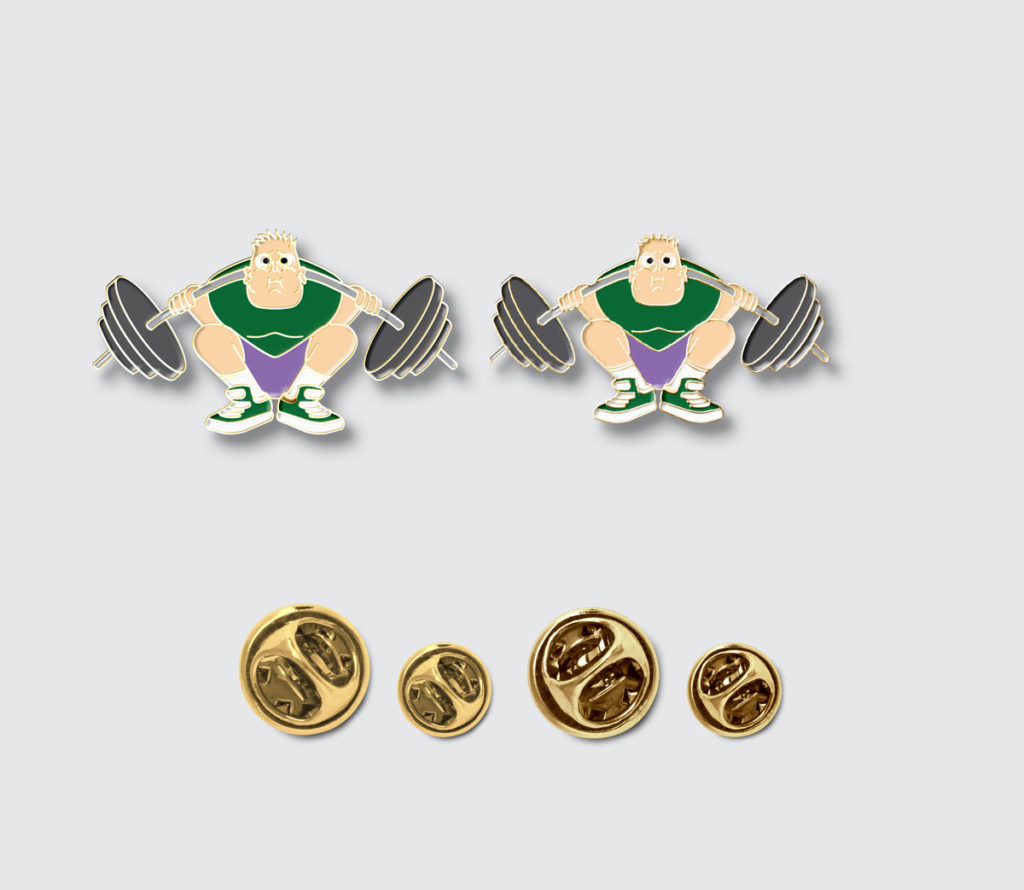
Skills in planning and developing concepts were exercised greatly in the t-shirt assignment. The first stage of the assignment was to create 20 concepts that each were developed with five thumbnail sketches, making a total of 100 sketches. The development of 20 appealing ideas to be voted upon by other classmates was daunting and proved to be difficult. The process proved to be mentally stimulating and a valuable demonstration of how many ideas can be forced from the brain. The 100 sketches were presented to the class for one session of voting where three sketches were chosen and tasked with further development. One of the developed three was elected to be the subject of a digital mockup to demonstrate a realistic view of the t-shirt if it were sent into production. Mockups are valuable tools for designers because they allow a glimpse into the future of the product and allow for better planning and error mitigation.
thumbnail topics 1-2
thumbnail topics 9-10
thumbnail topics 13-14
Instructions
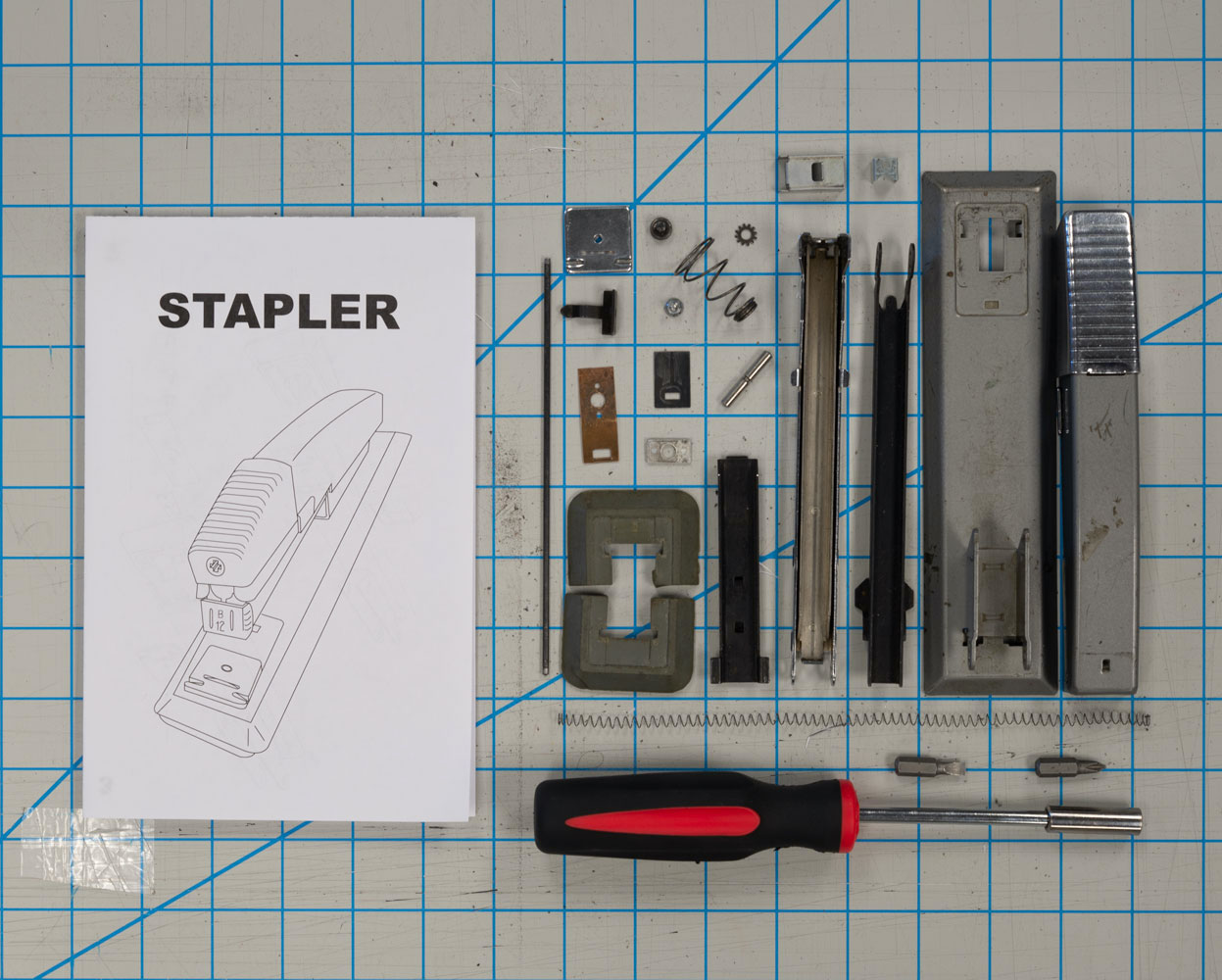
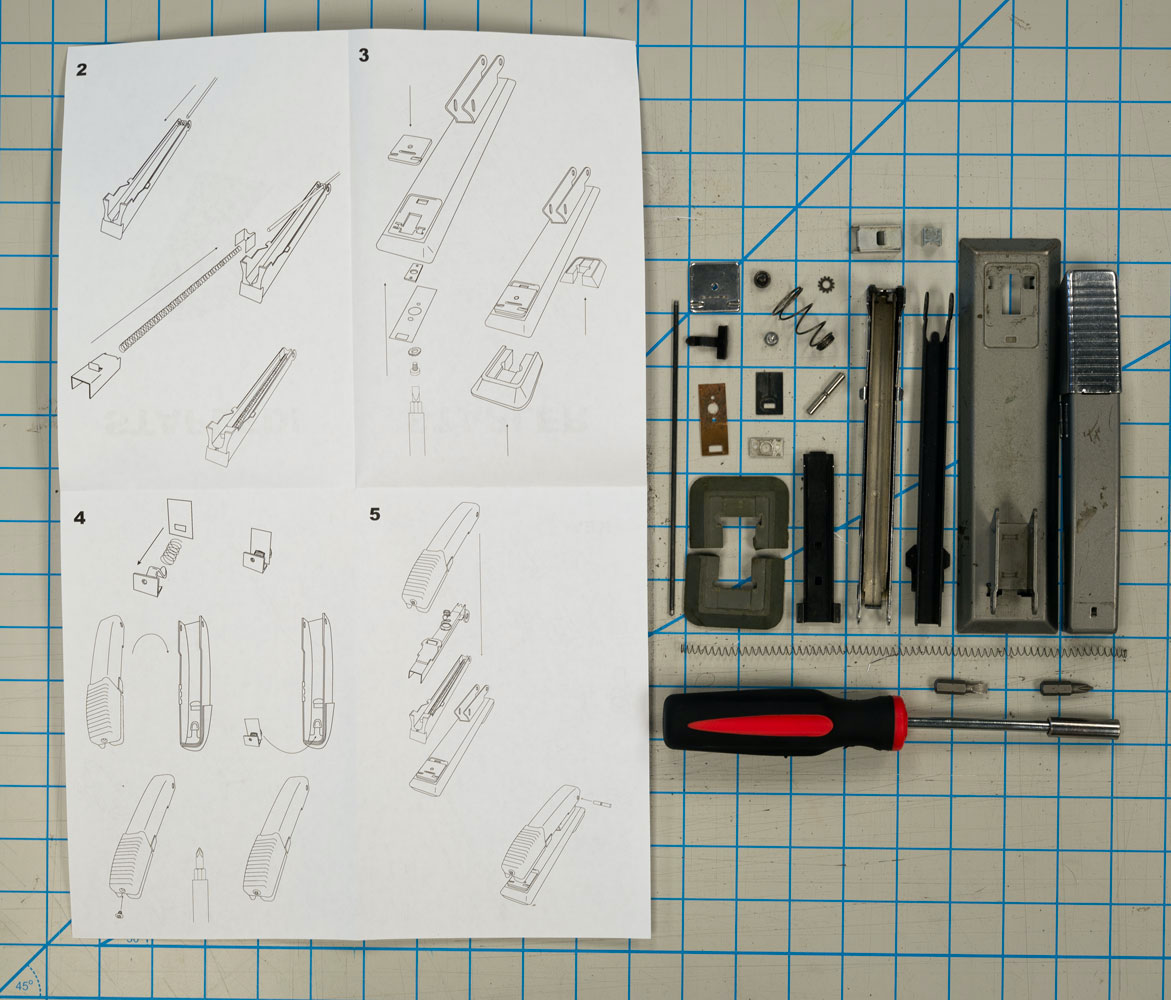
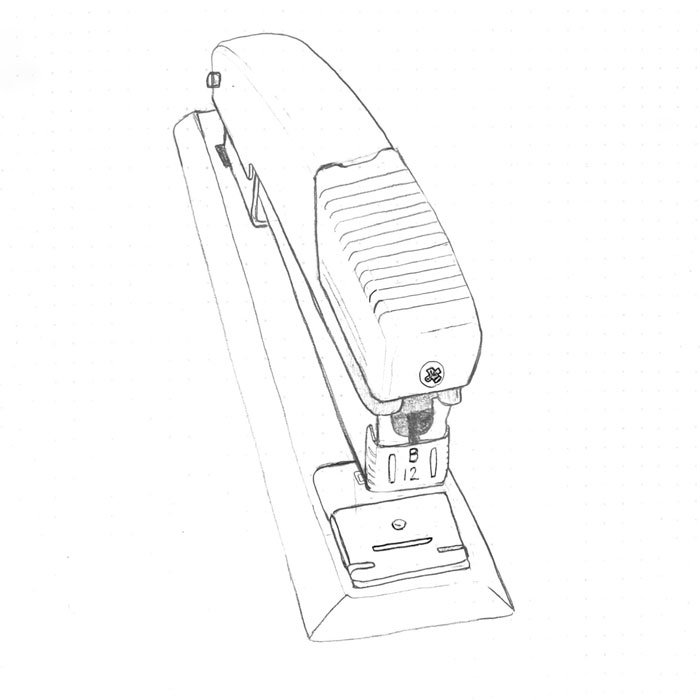
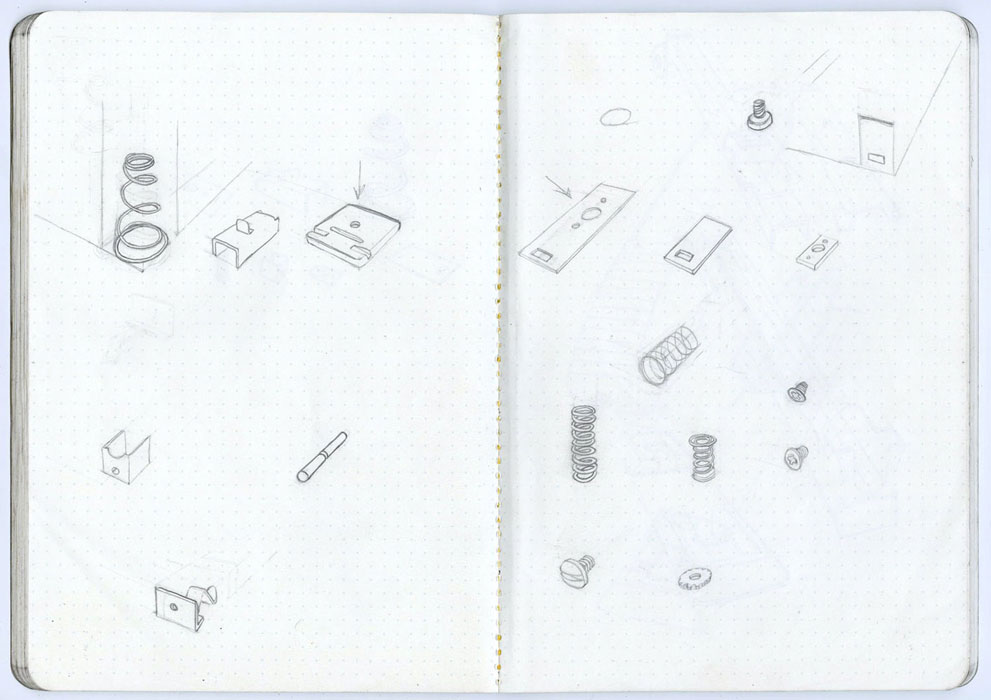
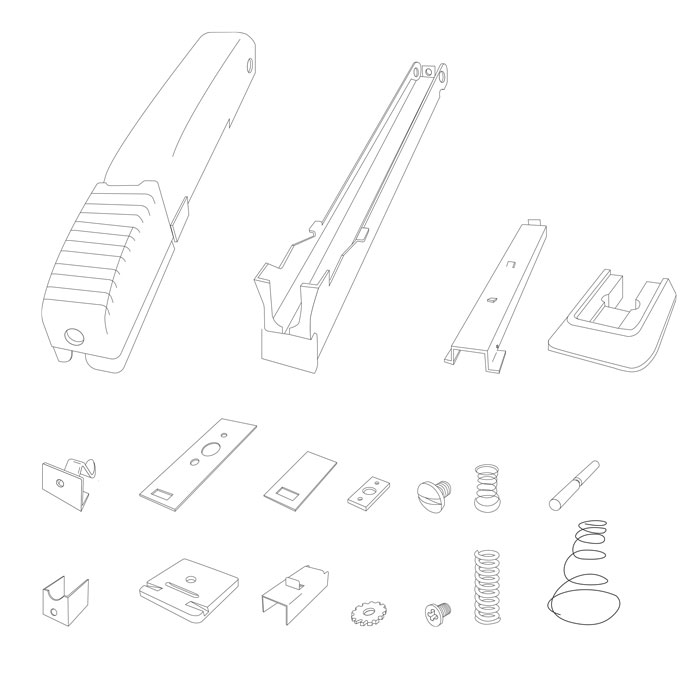
Meticulous rendering was the focus during the development of the instructions. Once a solely mechanical item was chosen, it was rendered using graphite. Following the first rendering, it was disassembled and each individual piece was rendered in graphite. To maintain consistency in the instructions, all renderings were required to be drawn from a two-point perspective and all similarly sized pieces must maintain the same perspective when drawn. To achieve satisfactory renderings, the complete object as well as the additional pieces were drawn three-times. After the completion of the graphite renderings, they were traced in Adobe Illustrator as vector images. The vector images were assembled in comprehensive instructions without words nor prompts other than pictures showing the assembly, piece-by-piece, of the objects.
rendering of the stapler
graphite sketches in a notebook
vector drawings traced from graphite sketches
Column Illustrations
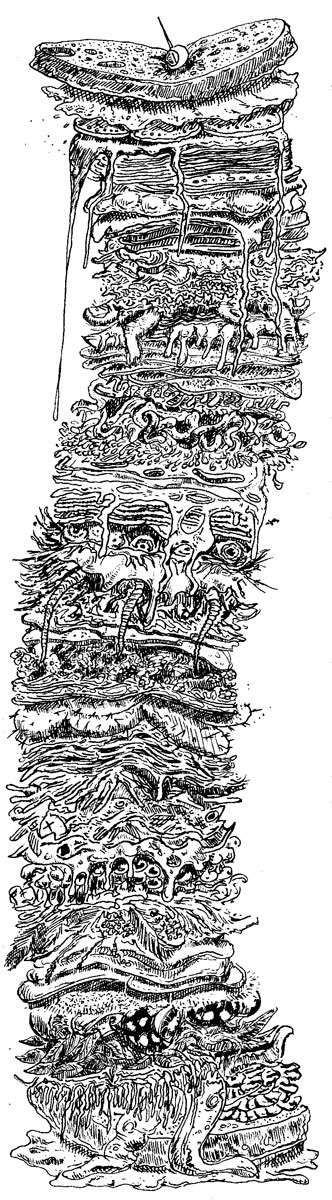
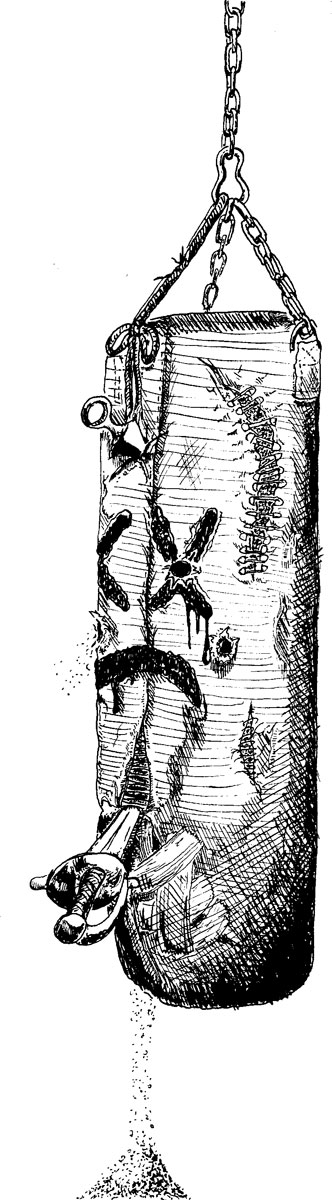
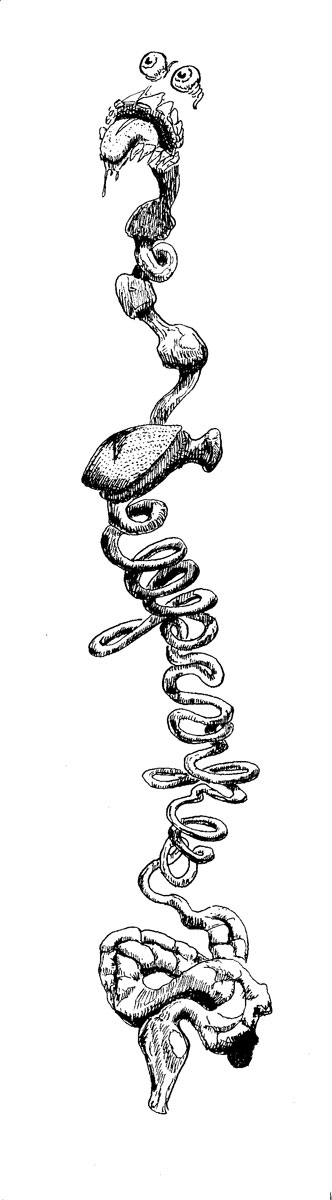
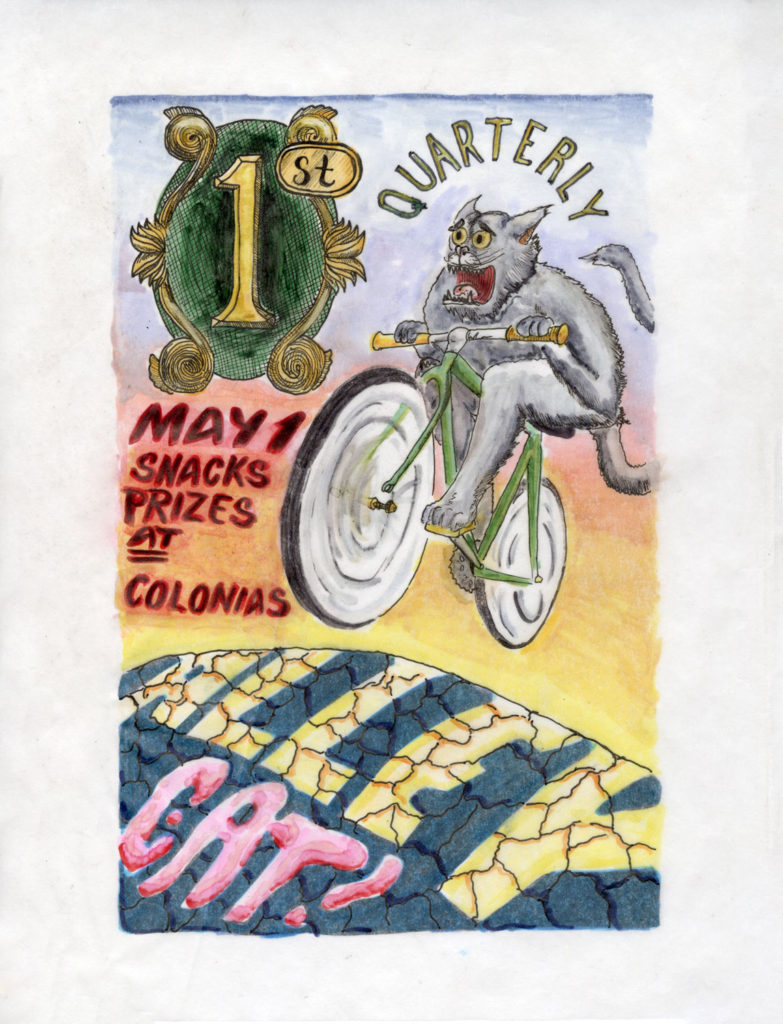
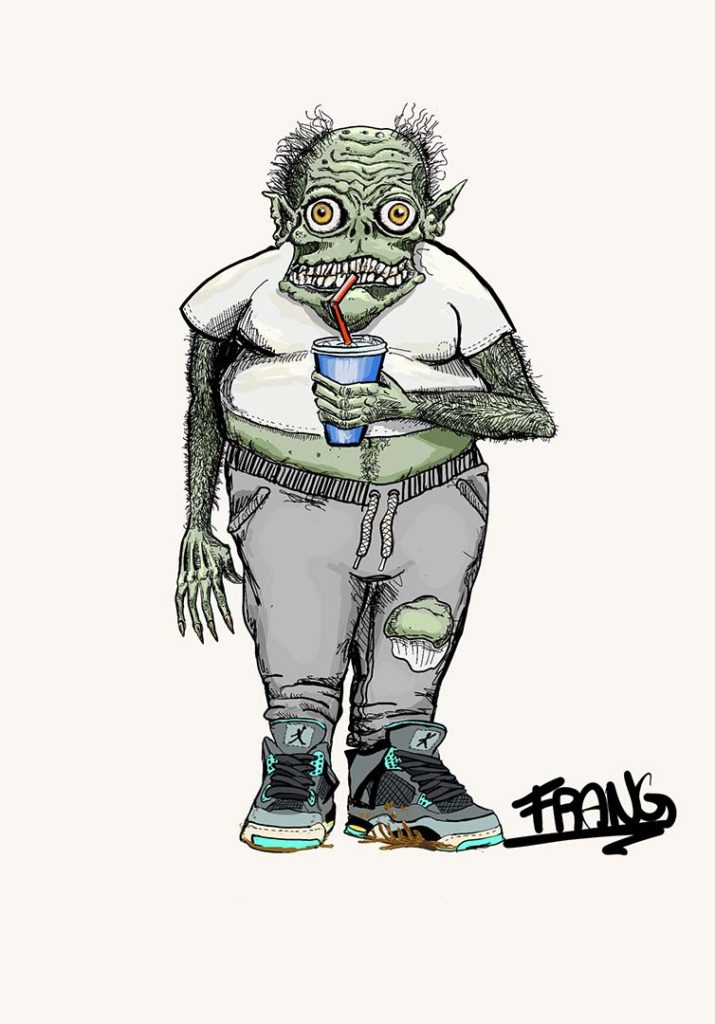
The dimensions of a document are on of the first decisions in the design process. Many subsequent developments in a project are determined by its canvas. The column illustration project was a practice in illustration using uncommon dimensions. Three illustrations were sketched and inked in the unique dimensions they were granted. The project as a whole lives as a testament to the benefits of diverse decisions, even as simple as document dimension, in the creative process.